
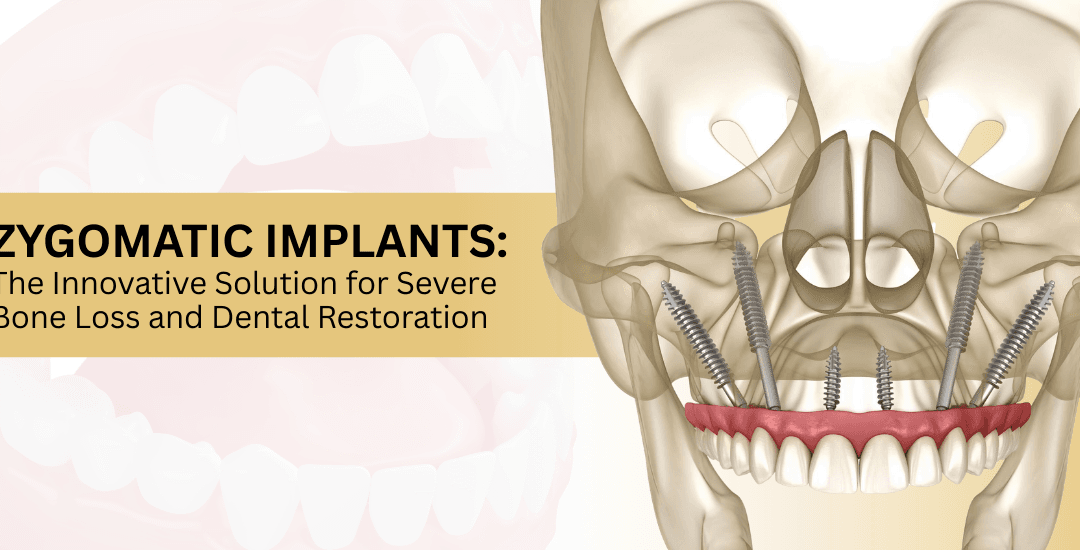
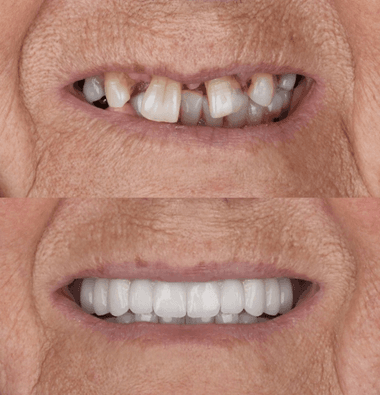
Extreme bone loss in the upper jaw can make it difficult for many patients to receive traditional dental implants. Bone resorption often occurs due to long-term tooth loss, periodontal disease, trauma, or aging, leaving insufficient jawbone to support standard implants. This situation can affect both oral function and facial appearance, making eating, speaking, and smiling uncomfortable. Zygomatic implants provide an advanced solution in such cases by anchoring into the dense cheekbone instead of the weakened jawbone.
According to Dr. Namratha Chandrahari, a globally recognized dentist in Banjara Hills, Hyderabad, “Zygomatic implants have transformed the way we treat patients with severe bone loss. They allow us to restore stability and function even when conventional implants are not possible.” She also notes that these advanced dental implants can help patients regain confidence and oral functionality without undergoing extensive bone grafting procedures.
At Enamel Dental Clinic in Banjara Hills, Hyderabad, patients with complex implant needs receive specialized care using advanced techniques and modern technology. The clinic is led by Dr. Namratha Chandrahari, a highly experienced prosthodontist and implantologist known for handling challenging implant cases, including zygomatic implants for extreme bone loss. With years of expertise in advanced dental implants and implants for severe bone resorption, Dr. Namratha focuses on precise treatment planning and patient-centered care. Her approach ensures that individuals facing extreme bone loss can still achieve a stable, functional, and natural-looking smile.
Curious about how zygomatic implants work? Let’s explore their unique design and how they provide a solution for extreme bone loss.
What Are Zygomatic Implants and How Do They Work?
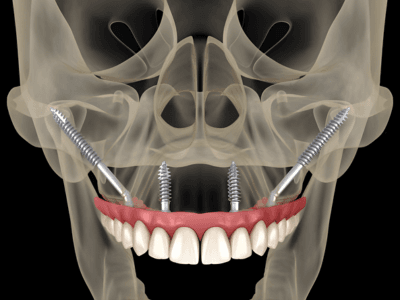
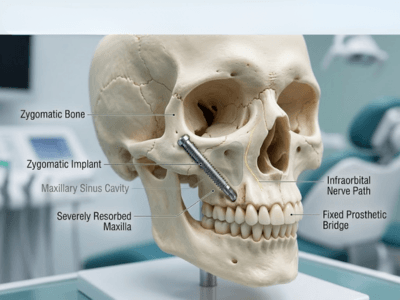
Zygomatic implants are longer than conventional dental implants and are placed into the zygomatic bone, which is part of the cheekbone. Unlike traditional implants that rely on the jawbone for support, zygomatic implants are anchored into the much denser zygomatic bone, making them ideal for patients who have insufficient jawbone mass. These implants provide a stable foundation for restorations, allowing individuals with significant bone resorption to enjoy full functionality and improved aesthetics.
Are zygomatic implants the right choice for your dental needs? Let’s dive into why they’re perfect for patients with extreme bone loss.
Why Zygomatic Implants Are Ideal for Extreme Bone Loss
When bone loss in the upper jaw is severe, traditional dental implants cannot be placed without additional procedures, such as bone grafting. Zygomatic implants offer a direct solution, bypassing the need for bone augmentation. Their placement into the zygomatic bone means that they’re able to provide immediate support for restorations, even when the jawbone is too thin or damaged for regular implants. Zygomatic implants also reduce treatment time, eliminate the need for complex bone grafts, and improve the stability of dental prosthetics.

Book Your Appointment
What makes zygomatic implants a preferred solution for patients with severe bone resorption? Let’s explore the key benefits.
Key Benefits of Zygomatic Implants for Severe Bone Resorption
Immediate Results
This period typically involves the most intense pain and swelling, which can usually be managed with pain medication and cold compresses.
Immediate Results
This period typically involves the most intense pain and swelling, which can usually be managed with pain medication and cold compresses.
Improved Functionality
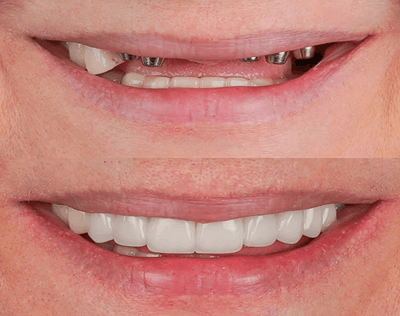
These implants restore functionality to the upper jaw, making one capable to eat and speak with ease and smile with confidence.
Long-Term Durability
The zygomatic implants are designed to last, with a high success rate and long-term effectiveness.
Cosmetic Improvement
Zygomatic implants help improve facial aesthetics by stabilizing the bone structure in addition to restoring function.
Excellent Success Rate
Zygomatic implants have a remarkable success rate, especially for patients who previously didn’t qualify for traditional implants.
What should you be aware of when choosing zygomatic implants for extreme bone loss? Let’s take a look at the potential risks and considerations.
Risks and Considerations When Choosing Zygomatic Implants
Surgical Complexity
Zygomatic implants are more challenging to place in comparison to the traditional implants.
Longer Recovery Time
Recovery from zygomatic implant surgery can take longer due to the nature of the procedure.
Increased Cost
Zygomatic implants can be costly as the treatment is highly specialized and the procedure requires certain expertise.
Potential for Infection
Just like any other surgery, there is a risk of infection but this can be minimized with proper aftercare and hygiene.
Requires Expertise
It’s crucial to choose a skilled and experienced dentist for this advanced procedure to ensure the best results.
Are zygomatic implants right for you? Let’s see who can benefit from this innovative solution.
Who Should Consider Zygomatic Implants?
Severe Bone Loss Patients
Ideal for those with significant upper jaw bone loss due to aging, trauma, or disease.
Avoiding Bone Grafting
Perfect for patients who cannot or prefer not to undergo bone grafting
Seeking Immediate Results
Provides immediate support for restorations, saving time compared to traditional implants
Failed Implant Cases
Suitable for those who’ve had failed traditional implants due to insufficient bone density
Requires Expertise
It’s crucial to choose a skilled and experienced dentist for this advanced procedure to ensure the best results.
Full-Mouth Restoration Needs
Ideal for patients requiring comprehensive restoration with severe bone resorption.
Long-Term Solution Seekers
Offers durability and stability for lasting functional and aesthetic improvements.
Zygomatic implants are an excellent solution for those with extreme bone loss looking for quick, reliable results.
Book Your Appointment
Wondering if you’re a candidate for zygomatic dental implants for bone loss? Book an evaluation with an expert today!
FAQ
1. What is the recovery time for zygomatic implants?
Recovery typically takes 3-6 months, but patients can expect a faster recovery compared to traditional implant procedures due to the immediate functionality of the implants.
2. Are zygomatic implants better than traditional implants for bone loss?
Yes, zygomatic implants are ideal for extreme bone loss, as they bypass the need for bone grafting and provide immediate support for restorations.
3. How long do zygomatic implants last?
With proper care, zygomatic implants can last 15-20 years or longer, providing long-term durability and function.
4. Can zygomatic implants be used in both upper and lower jaws?
Zygomatic implants are primarily used in the upper jaw when bone resorption is severe. They are not typically used in the lower jaw.
5. Is a bone graft required for zygomatic implants?
No, bone grafts are not required for zygomatic implants, making them an ideal solution for patients with insufficient bone in the upper jaw.
Reference links:
https://www.slideshare.net/slideshow/zygomatic-implants-125445907/125445907
https://www.sciencedirect.com/science/article/abs/pii/S1532338222000434
Disclaimer: The information shared in this content is for educational purposes and not for promotional use.
