
A healthy smile is more than just aesthetics—it supports your ability to chew, speak, and maintain proper facial structure. Tooth loss in the upper back jaw often leads to bone shrinkage and sinus expansion, making it difficult to place implants. Globally, studies show that about 10–20% of implant candidates need sinus lift surgery before treatment. In India, where over 30% of adults above 40 suffer from partial or complete tooth loss, this need is increasingly common.
That’s where Enamel Dental, a modern center for advanced dental care in Banjara Hills, Hyderabad, steps in. With expertise in bone grafting and implantology, the clinic offers safe and effective sinus lift procedures tailored to each patient.
As Dr. Namratha Chandrahari, a distinguished Prosthodontist and Implantologist in Banjara Hills, explains:
“Many patients are surprised when they learn that their bone structure isn’t sufficient for implants. A sinus lift rebuilds the foundation, making implants secure and long-lasting. It’s not just a surgical step—it’s the groundwork for a confident smile and improved quality of life. Every procedure is carefully planned to ensure comfort, safety, and predictable outcomes.”
Ever wondered why your dentist might recommend adding bone before implants? It’s time to find out.
Understanding the Need for a Sinus Lift Procedure
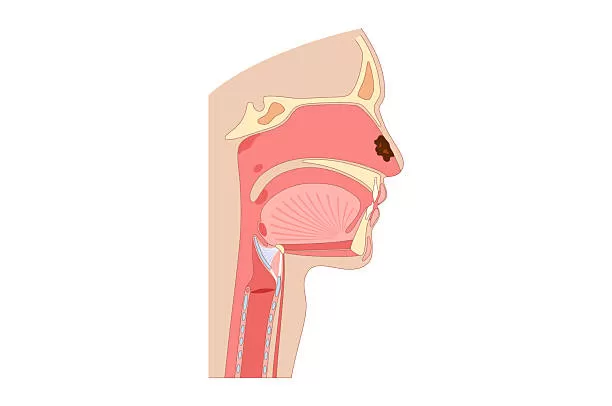
A sinus lift becomes necessary when there isn’t enough bone height in the upper jaw to support implants. Several reasons can cause this:
Tooth Loss Over Time:
Missing teeth for long periods leads to natural bone resorption.
Sinus Enlargement:
With age, the sinus cavity expands downward, reducing available bone.
Gum Disease or Infection:
Long-term untreated infections can damage bone support.
Trauma or Injury:
Accidents may result in bone loss in the upper jaw.
When bone is insufficient, implants may not be stable. A sinus lift adds bone volume, creating a strong base for implant placement.

Book Your Appointment
Thinking about how the procedure is actually done? Let’s break it down.
Step-by-Step Procedure at Enamel Dental
At Enamel Dental, sinus lift surgery is performed with advanced techniques to maximize safety and minimize discomfort. Here’s how it works:
- Diagnosis and Planning
3D scans and digital imaging are used to evaluate bone levels and sinus anatomy before surgery.
- Accessing the Sinus
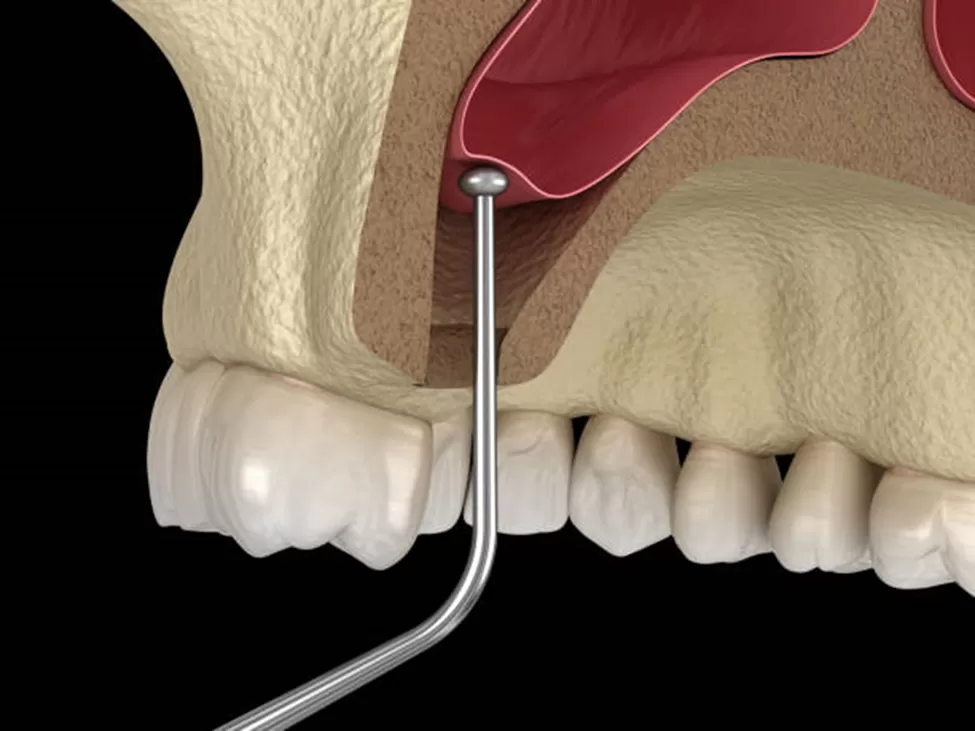
A small incision is made in the gum tissue to expose the bone, and a window is created to reach the sinus cavity.
- Lifting the Sinus Membrane
The delicate sinus membrane is gently raised, creating space for bone graft material.
- Bone Grafting
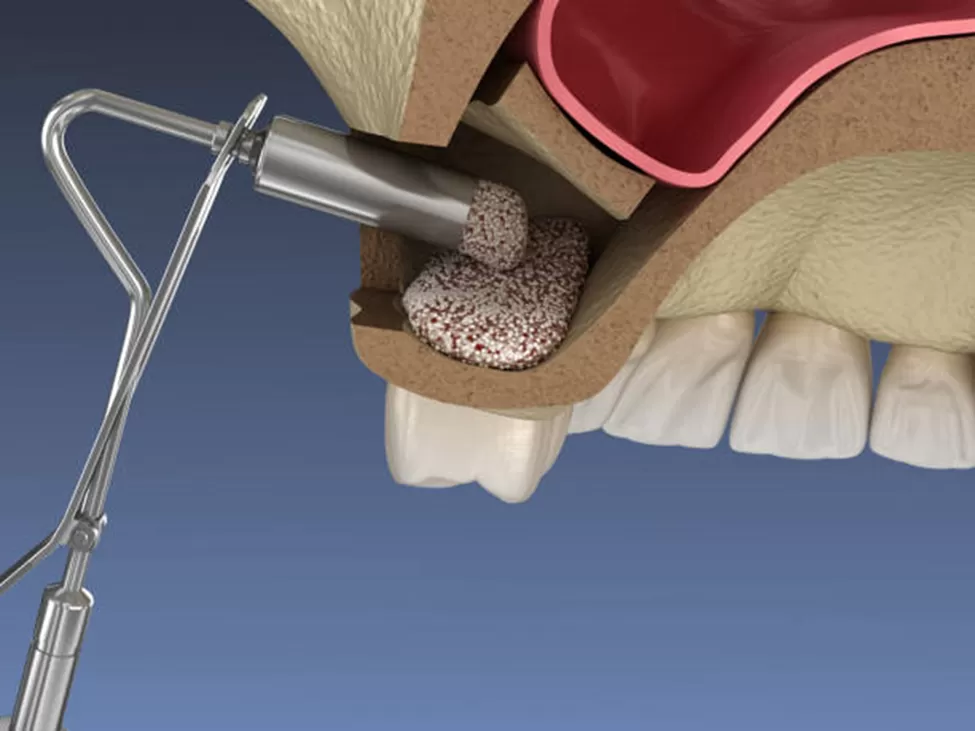
Bone graft material (synthetic or natural) is placed to increase bone volume.
- Healing Period
Over 4–9 months, the graft integrates with natural bone, preparing the site for implants.
As Dr. Namratha Chandrahari, a meticulous implant specialist in Banjara Hills, shares:
“The key to sinus lift success lies in careful planning and precise execution. Every step, from lifting the membrane to placing graft material, requires attention to detail. With modern techniques, recovery is smoother, and patients can look forward to stable implants in the future.”
Looking for the Best Sinus Lift Treatment in Banjara Hills? The trick is to find a clinic that stands out from the rest…
Why Choose Enamel Dental in Banjara Hills for Sinus Lift
When it comes to sinus lift surgery, the clinic you choose plays a huge role in your outcome. Enamel Dental ensures:
Specialized Expertise:
Led by Dr. Namratha Chandrahari, a UK-trained and USA-certified implantologist with years of experience.
Cutting-Edge Technology:
Digital scans, minimally invasive surgical tools, and high-quality graft materials.
Patient-Centered Care:
Each treatment plan is tailored to the patient’s bone health, goals, and comfort.
Safe Environment:
Sterilization and infection control protocols match global standards.
Holistic Support:
From initial consultation to aftercare, every stage is guided with compassion and clarity.

As Dr. Namratha Chandrahari, a trusted authority in advanced implant procedures, notes:
“A sinus lift is more than just adding bone—it’s about creating a stable, healthy foundation for long-term oral health. At our clinic, we combine science with empathy, ensuring patients feel supported every step of the way.”
Book Your Appointment
But just like any surgery, it’s important to be aware of potential risks too.
Risks and Complications of Sinus Lift
While sinus lift procedures are generally safe, patients should understand possible risks. Here are some considerations:
Sinus Membrane Tear:
The membrane may accidentally tear, but skilled techniques usually repair it immediately.
Infection Risk:
Any surgical procedure carries infection risk, minimized with strict hygiene protocols.
Post-Surgery Swelling or Discomfort:
Mild swelling or bruising is common and usually subsides within a week.
Bone Graft Failure:
Rarely, the graft may not integrate, requiring additional treatment.
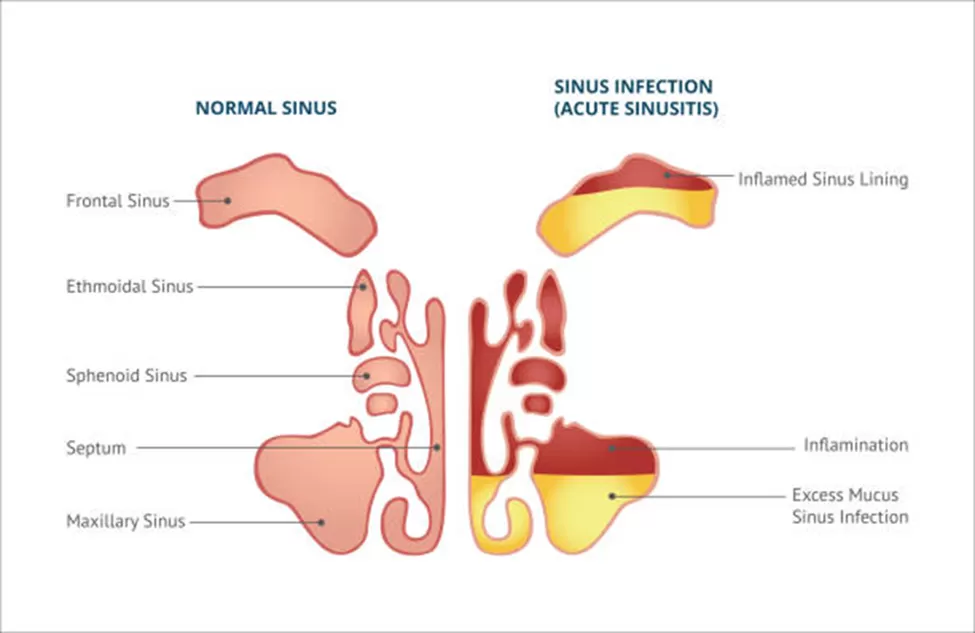
Sinus Issues:
In rare cases, patients may experience sinus congestion or discomfort after surgery.
With expert planning and careful execution, most complications can be effectively managed.
Let’s address some common concerns…
FAQ
Typically, implants are placed after 4–9 months, allowing enough time for the bone graft to heal and integrate properly.
Some swelling or minor bruising may appear, but it usually resolves within a few days with proper care.
A sinus lift usually takes about 1–2 hours, depending on the surgeons expertise, complexity and bone condition.
Temporary discomfort, swelling, or mild bleeding may occur. These are manageable with prescribed care and medication.
Yes, it can, but experienced surgeons repair it immediately to prevent complications.
Soft foods such as soups, smoothies, mashed vegetables, and yogurt are recommended until healing progresses. Avoid hard or crunchy foods that may disturb the graft site.