

Have you recently undergone a root canal treatment and received a dental crown? Root canal treatment is a highly effective procedure used to remove infection from the inner tooth and protect it from further damage, often followed by a crown to restore strength and function. While this treatment is designed to eliminate pain, some patients may still experience sensitivity—especially to cold—weeks or even months later.
If you’re dealing with crown sensitive to cold after 2 months, it could indicate underlying factors such as nerve irritation, bite issues, or minor leakage beneath the crown.
Dr. Namratha Chandrahari, a highly recognized dentist in Banjara Hills, Hyderabad, explains, “A crowned tooth should ideally feel comfortable after healing, but persistent sensitivity may point to deeper causes that need timely evaluation.” She also adds that early diagnosis can prevent complications and ensure long-term success of the treatment.
At Enamel Dental Clinic, a premium dental clinic in Hyderabad, patients receive comprehensive care for concerns like crown sensitive to cold after 2 months. Led by Dr. Namratha Chandrahari, the clinic is known for advanced restorative treatments, including root canal treatment in Banjara Hills. With her expertise in handling post-treatment sensitivity and complex dental cases, Dr. Namratha ensures precise diagnosis and personalized solutions, helping patients regain comfort and confidence in their smile.
Still feeling sensitivity after weeks? Let’s understand if this is normal or a concern
Is It Normal to Have Cold Sensitivity After 2 Months?
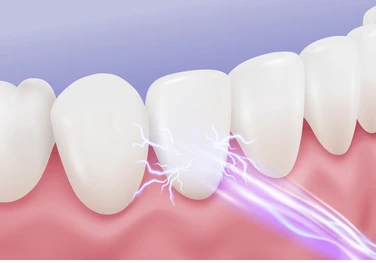
Mild sensitivity is common for a few days or weeks after crown placement. However, sensitivity lasting beyond 2 months is not typical and may point to issues such as:
- Nerve inflammation inside the tooth
- Improper crown fit or bite alignment
- Exposed tooth margins
- Early signs of infection
Persistent sensitivity should not be ignored, as it could indicate deeper dental concerns that require attention.

Book Your Appointment
Feeling a sharp discomfort with cold foods or drinks? Let’s explore simple ways to ease sensitivity at home
How to Reduce Cold Sensitivity at Home
Use desensitizing toothpaste:
Choose toothpaste with potassium nitrate or fluoride to reduce nerve sensitivity over time.
Avoid cold triggers:
Limit ice-cold drinks, ice creams, and sudden temperature changes.
Brush gently:
Use a soft-bristled toothbrush and avoid aggressive brushing around the crown area.
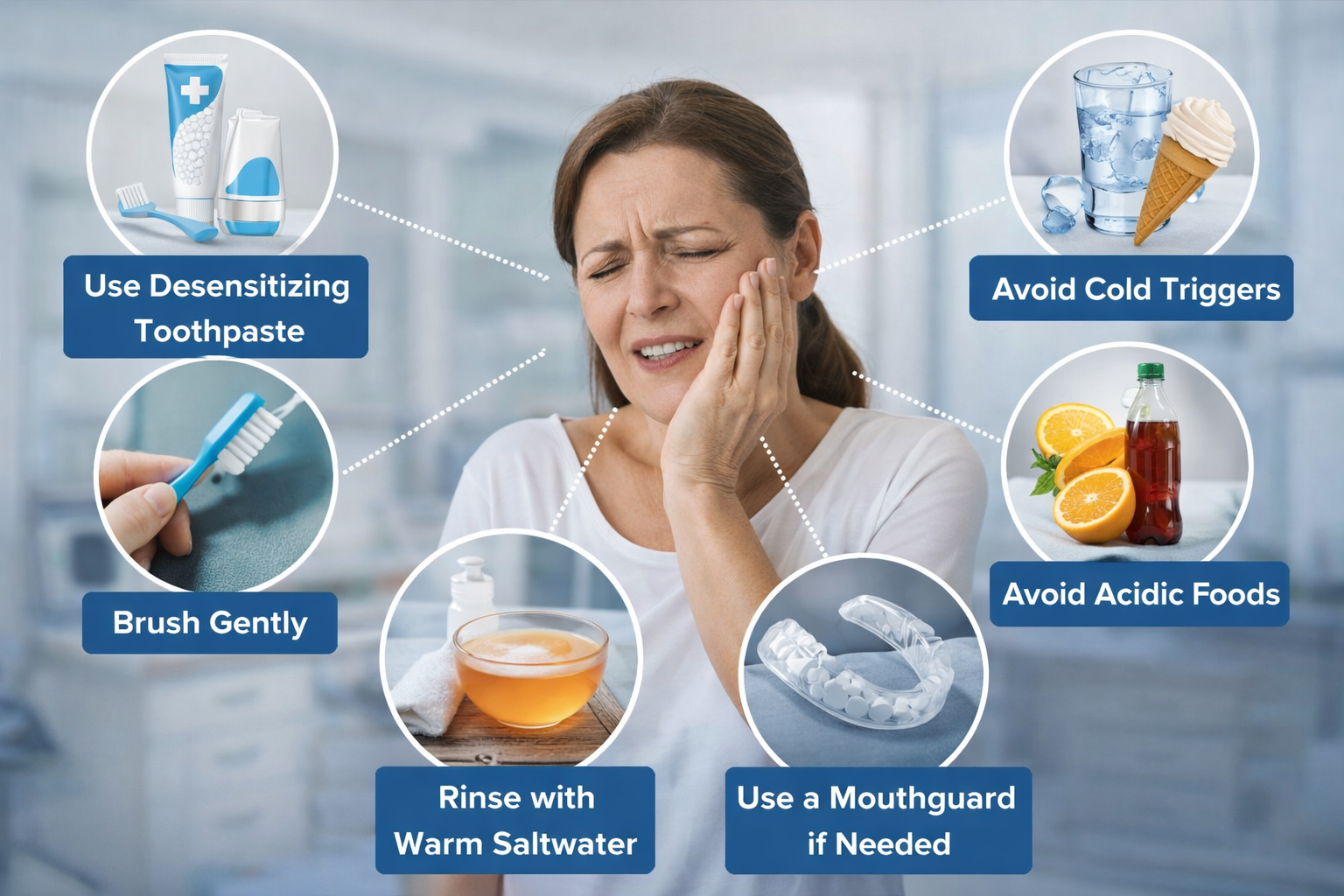
Maintain good oral hygiene:
Keep the area clean to prevent plaque buildup and gum irritation.
Rinse with warm saltwater:
Helps soothe inflammation and promotes healing.
Use a mouthguard if needed:
If you grind your teeth at night, a nightguard can reduce pressure on the crown.
Could your diet be making things worse? Let’s discuss common mistakes to avoid
Diet Mistakes That Worsen Tooth Sensitivity
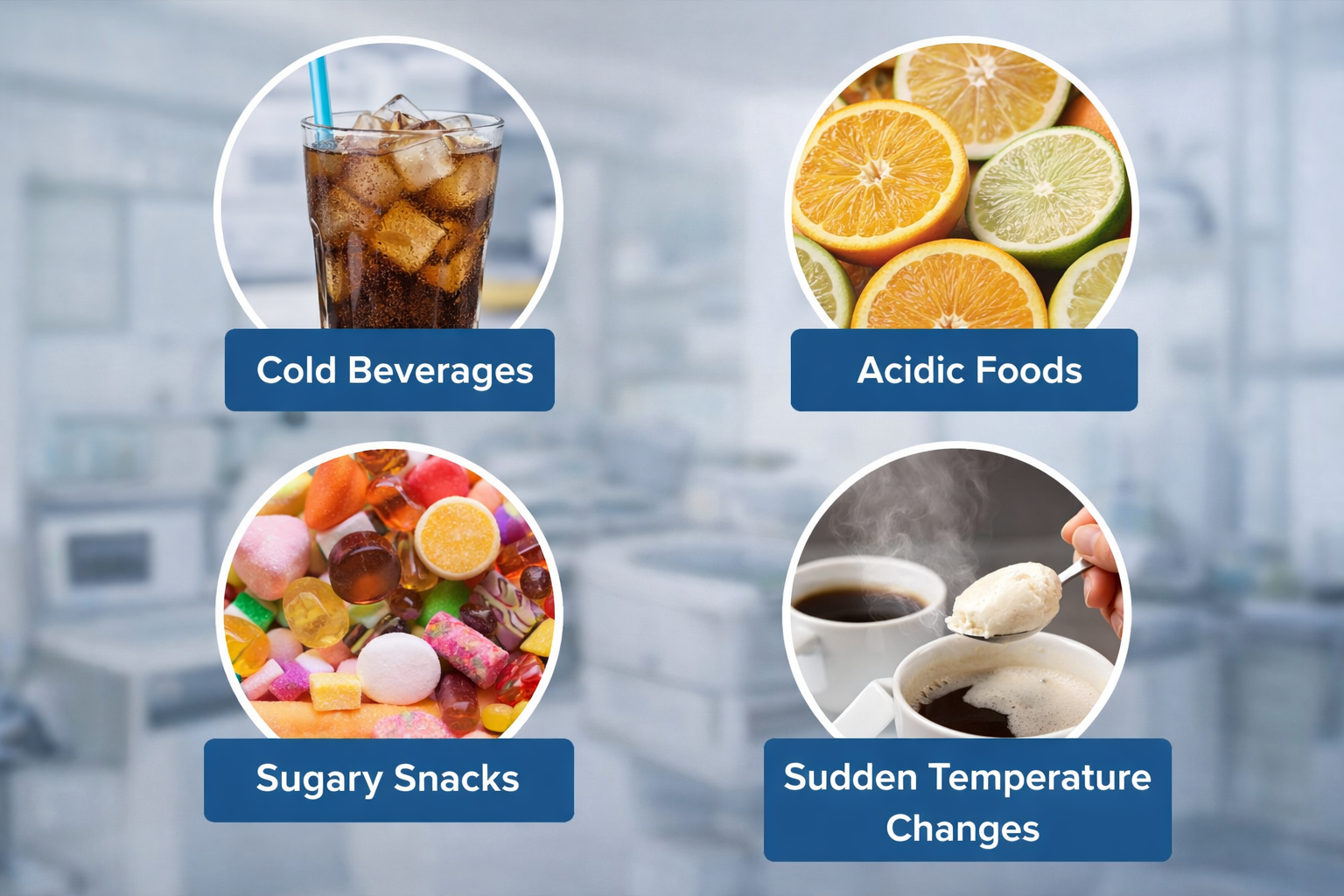
Certain foods and habits can increase sensitivity around crowned teeth:
- Frequent consumption of cold beverages
- Acidic foods like citrus fruits and sodas
- Sugary snacks that promote decay
- Sudden temperature changes (hot to cold foods)
Avoiding these triggers can help reduce sensitivity and protect your dental crown.
Still experiencing sensitivity despite care? Let’s explore hidden causes
Can a Hidden Cavity Cause Cold Sensitivity After 2 Months?
Yes, a hidden cavity beneath or around the crown can lead to prolonged sensitivity. This may happen if:
- The crown margin is not sealed properly
- Decay develops under the crown
- Previous infection was not fully resolved
In such cases, Dr. Namratha Chandrahari may recommend further treatment like root canal treatment in Banjara Hills, Hyderabad, to address the underlying issue.
Not sure when to take action? Let’s identify the warning signs
When Should You See a Dentist?
You should consult a dentist if:
- Sensitivity persists beyond 6–8 weeks
- Pain increases over time
- You feel discomfort while biting
- There is swelling or gum irritation
- Sensitivity interferes with daily eating
Early consultation helps prevent minor issues from becoming major complications.
Want to avoid sensitivity in the future? Let’s explore simple prevention tips
Prevention Tips to Avoid Long-Term Sensitivity
- Choose a well-fitted crown from an experienced dentist
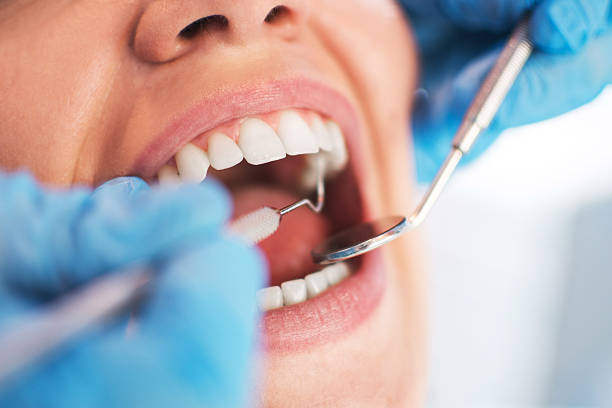
- Maintain regular dental check-ups
- Avoid excessive grinding or clenching
- Follow proper oral hygiene practices
- Address dental issues early before they worsen
Preventive care plays a key role in ensuring your crown lasts long without discomfort.
Book Your Appointment
Conclusion
FAQ
1. Is it normal to have sensitivity after dental treatment?
2. How long does tooth sensitivity usually last?
3. Can gum recession cause cold sensitivity?
4. What toothpaste is best for sensitivity?
5. Can sensitivity go away on its own?
