
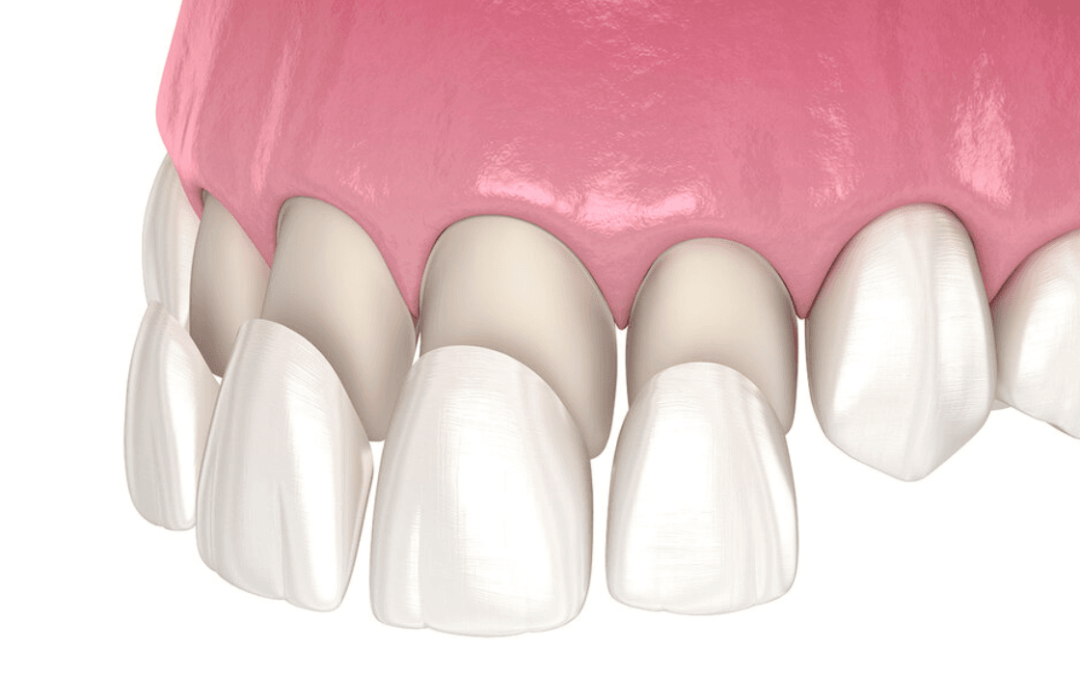
Veneers and crowns are two common dental treatments that improve the appearance and function of teeth. While they might appear similar, each has distinct purposes, processes, and benefits. Understanding the key differences between veneers and crowns can help you make the right choice based on your dental needs and cosmetic goals.
What are dental veneers?
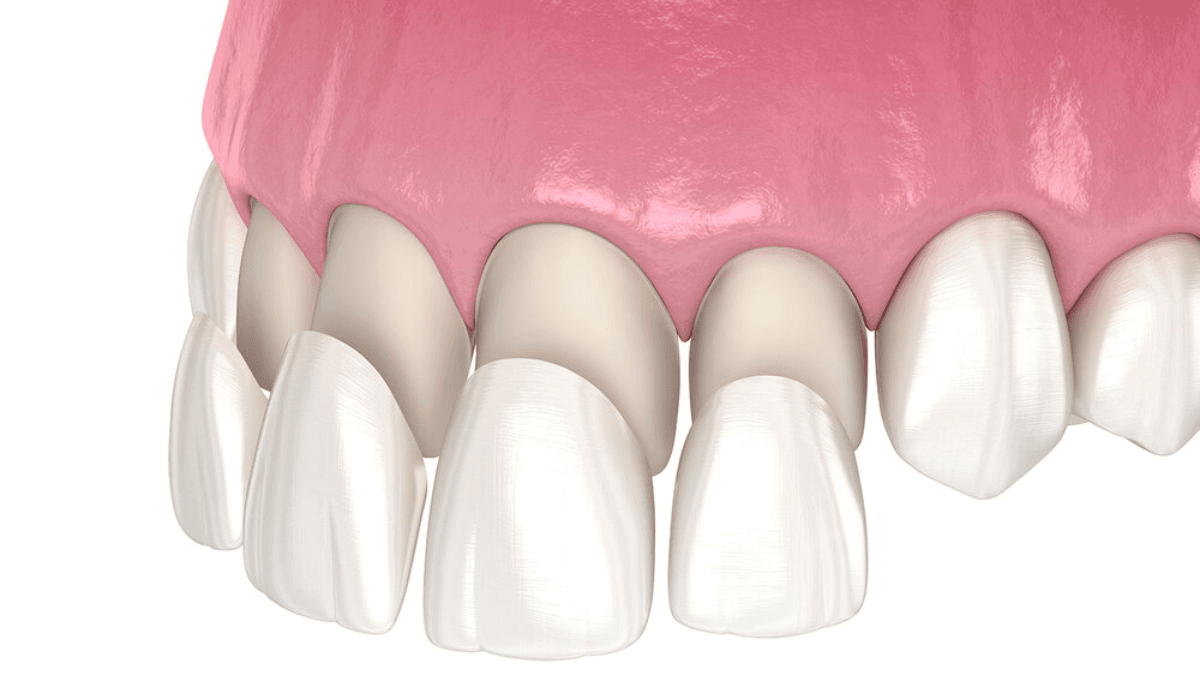
Veneers are ideal if you want to:
Enhance the color of your teeth
Close small gaps
Correct minor shape issues
Improve the overall symmetry of your smile
How are veneers fitted?
The process of getting veneers usually involves:
- Consultation: Your dentist evaluates your teeth and discusses the desired outcome.
- Preparation: A thin layer of enamel (often less than 0.5mm) is removed to make space for the veneer.
- Impression: A mold of your teeth is taken and sent to a lab to craft the veneers.
- Placement: Once ready, the veneers are bonded to your teeth using special adhesive.
Some types of veneers, like no-prep veneers, require little to no enamel removal, but these may not suit every patient.
What is a dental crown?
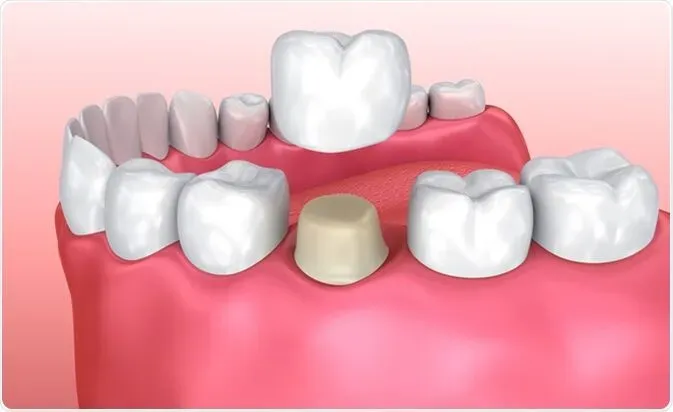
A dental crown, often called a cap, covers the entire tooth rather than just the front surface. Crowns are used for both cosmetic and restorative purposes, especially when a tooth is weakened by decay, fractures, or has undergone a root canal.
Crowns help:
- Strengthen damaged or decayed teeth
- Restore teeth after extensive fillings
- Protect teeth after root canal treatments
- Improve the appearance of heavily discolored or misshaped teeth
How are crowns fitted?
Fitting a crown involves several steps:
- Tooth preparation: The dentist reshapes the tooth, reducing it on all sides to accommodate the crown.
- Impressions: Molds are taken to design the perfect-fitting crown.
- Temporary crown: A temporary crown protects the tooth while the permanent one is being made.
- Fitting: The final crown is cemented into place, fully encasing the original tooth.
Crowns can be made from materials like porcelain, ceramic, metal alloys, or a combination (like porcelain fused to metal).
When bone loss in the upper jaw is severe, traditional dental implants cannot be placed without additional procedures, such as bone grafting. Zygomatic implants offer a direct solution, bypassing the need for bone augmentation. Their placement into the zygomatic bone means that they’re able to provide immediate support for restorations, even when the jawbone is too thin or damaged for regular implants. Zygomatic implants also reduce treatment time, eliminate the need for complex bone grafts, and improve the stability of dental prosthetics.
Veneers vs crowns: what’s the difference?
Though both veneers and crowns enhance the look of your teeth, their applications and coverage differ significantly.
| Feature | Veneers | Crowns |
|---|---|---|
| Coverage | Front surface of the tooth | Entire tooth |
| Purpose | Cosmetic enhancement | Cosmetic & structural |
| Tooth reduction | Minimal enamel removal | Significant reshaping |
| Durability | 10-15 years (porcelain) | 15+ years with good care |
| Material | Porcelain, composite resin | Porcelain, ceramic, metal |
Veneers focus on enhancing the appearance of healthy teeth, while crowns provide strength and protection to compromised or weakened teeth.
How long do crowns and veneers last?
The cost of veneers and crowns varies based on materials, complexity, and dentist expertise.
| Treatment | Average US Cost per Tooth |
|---|---|
| Veneers (Porcelain) | 190USD- 350USD |
| Crowns | 115USD- 290USD |
Prices in private practices can vary widely. Composite veneers are generally cheaper but less durable, while crowns may cost more if made from premium materials like all-ceramic or gold.
Some dental insurance plans may cover crowns when clinically necessary, but veneers are usually not covered since they are considered cosmetic.
Crowns vs veneers: pros and cons
Crowns
Pros:
- Strengthen and protect damaged teeth
- Can restore function (e.g., chewing)
- Covered by NHS or insurance in certain cases
Cons:
- More natural tooth needs to be removed
- Higher risk of sensitivity post-procedure
- Potential for needing replacement after many years
Veneers
Pros:
- Less invasive than crowns
- Superior cosmetic enhancement
- Resistant to staining (porcelain)
Cons:
- Usually not covered by insurance
- More delicate; can chip if not cared for
- Irreversible procedure (enamel removal)
Are veneers or crowns available on the NHS?
In the US, the NHS typically covers crowns under Band 3 dental treatment. However, this generally provides a basic material like metal or porcelain-fused-to-metal, especially for back teeth.
Veneers, being cosmetic, are rarely available on the NHS unless there’s a clinical need, such as reconstructive dentistry after trauma.
For private treatments:
- Crowns offer more material choices like all-ceramic or zirconia.
- Veneers, especially porcelain, are exclusively private and priced higher.
Which is right for me?
Choosing between a veneer or a crown depends on the condition of your tooth and your desired outcome:
- Choose veneers if:
- Your teeth are largely healthy but cosmetically flawed
- You want a less invasive option
- You’re improving front teeth aesthetics
- Choose crowns if:
- Your tooth is significantly weakened, cracked, or decayed
- You’ve had a root canal
- Structural reinforcement is necessary
Always consult a qualified dentist who can assess your teeth and recommend the most suitable option tailored to your oral health and smile goals.
