
Invisalign Treatment for a 38-Year-Old with Crowded Lower Front Teeth and Malocclusion
Doctor's Name
Dr. Namratha Chandrahari
Patient's Name
Chief Complaint
Diagnostic Method
OPG (Orthopantomogram)
Diagnosis
Malocclusion with lower anterior crowding
Clinic Name
Enamel Dental Clinic, Banjara Hills, Hyderabad
Patient's Age
38 years
Gender
Female
Country
Ethiopia
Treatment
Invisalign clear aligner treatment
Prognosis
Good
Outcome
Good esthetics, satisfactory result
Patient Background
Lekulu Tanchigegn, a 38-year-old patient from Ethiopia, visited Dr. Namratha Chandrahari at her Enamel Dental Clinic in Banjara Hills, after years of living with crowded lower front teeth. The teeth overlapped and sat out of line. She wanted a straighter, more balanced smile without the look of traditional metal braces.
Crowding in adults rarely stays a purely cosmetic problem. Teeth that overlap are harder to clean and can sit in a bite that does not close evenly. After a clinical examination and radiographic assessment, Dr. Namratha recommended Invisalign clear aligners to correct both the alignment and the bite, gradually and discreetly.
Presenting Symptoms
Dr. Namratha Chandrahari documented the following findings:
Crowded lower front teeth. The lower incisors were overlapping and rotated, with no room for them to sit in a smooth, even arch.
Irregular dental arch form. Crowding in the lower arch gave the lower teeth an uneven line, and the upper front teeth also showed rotation and irregular spacing.
Malocclusion. The upper and lower teeth did not meet in a balanced, well-aligned bite.
Esthetic concern. The patient was unhappy with the appearance of her smile and wanted a discreet way to correct it.
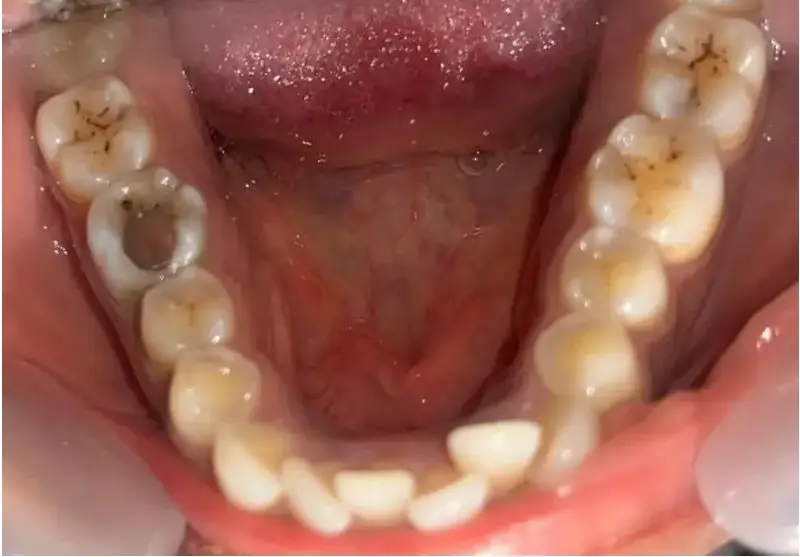
Before treatment: occlusal view of the lower arch showing crowded and overlapping front teeth
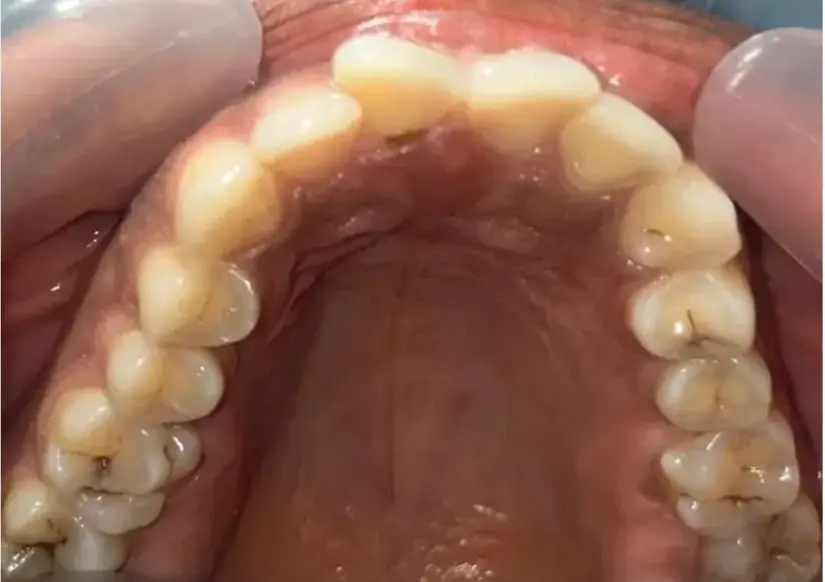
Before treatment: occlusal view of the lower arch showing crowded and overlapping front teeth
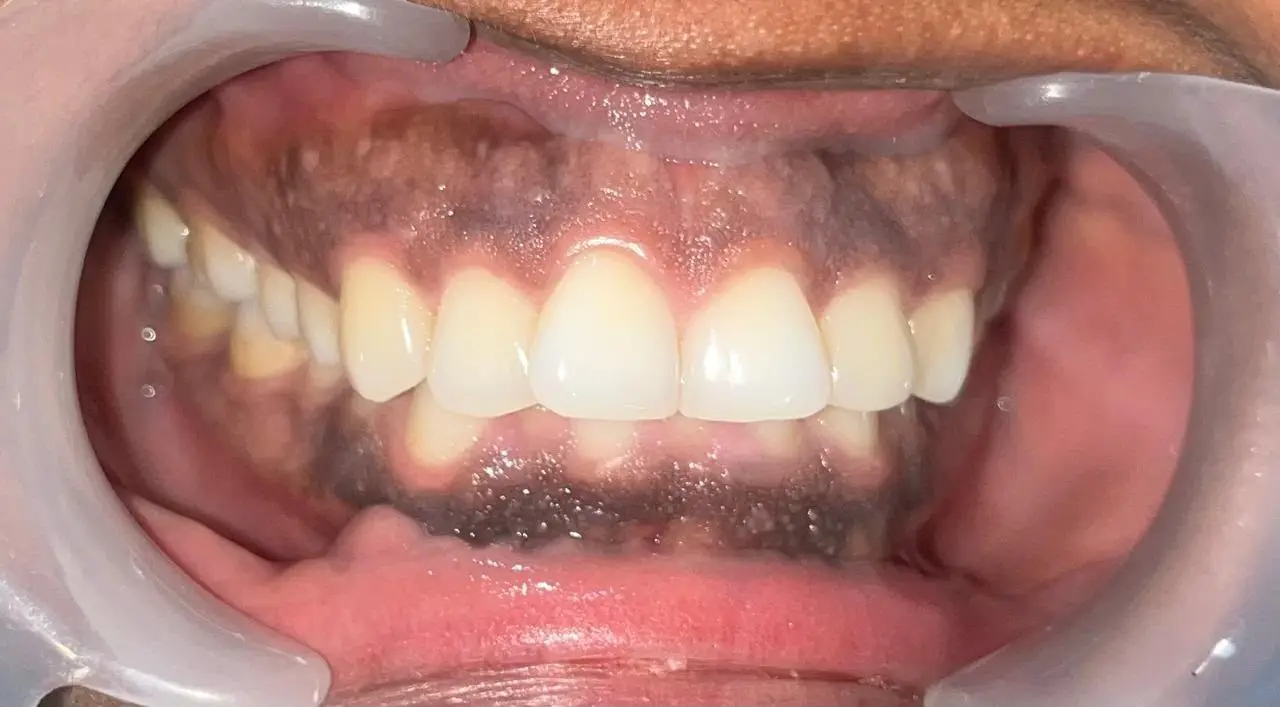
Before treatment: occlusal view of the lower arch showing crowded and overlapping front teeth
Diagnostic Method
A thorough clinical examination was carried out, along with extraoral photographs (frontal and both profile views) and intraoral photographs of the upper and lower arches. An OPG (Orthopantomogram) was taken to give a complete panoramic view of all teeth, their roots, and both jaws.
The OPG allowed Dr. Namratha to check tooth position and root health, and to assess the supporting bone before the aligner movements were planned. In orthodontic treatment, this baseline helps confirm that the teeth are healthy enough to be moved safely.
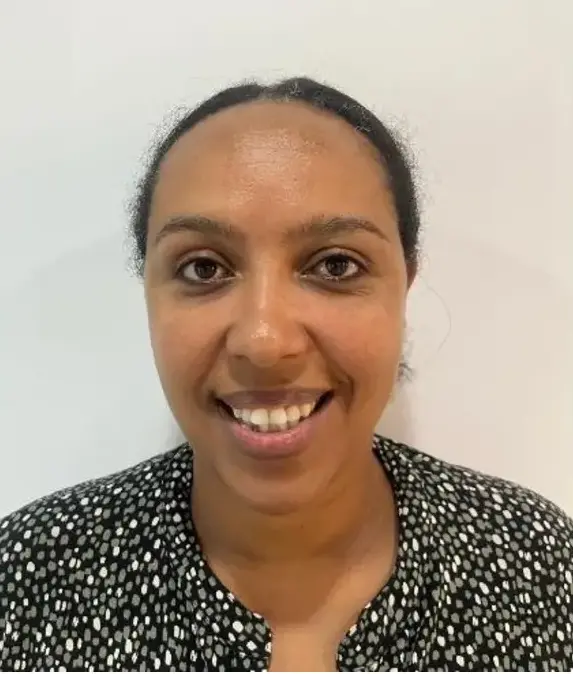
Before treatment: extraoral frontal photograph
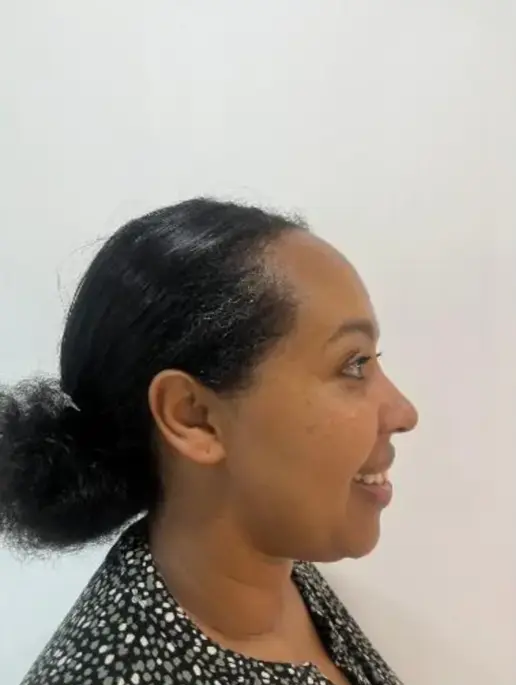
Before treatment: extraoral profile photograph
Diagnosis
Clinical examination and OPG assessment confirmed malocclusion with crowding of the lower front teeth. The findings indicated that a planned, stepwise alignment of the teeth with clear aligners would correct the crowding and improve how the upper and lower teeth fit together.
Treatment Plan
The treatment plan was built around Invisalign and covered the following steps:
- Records and digital planning: Photographs, the OPG and a digital scan of both arches were used to plan the tooth movements from the current position to the target alignment.
- Custom clear aligners: A series of removable, transparent aligners was made for the patient. Each one moves the teeth a small step towards the planned result.
- Correction of lower anterior crowding: The aligner sequence was designed to bring the crowded and rotated lower front teeth into a smooth, even arch.
- Bite improvement: Alongside the alignment, tooth movements were planned to improve how the upper and lower teeth meet.
- Regular review visits: Progress was checked at planned appointments to confirm the teeth were moving as planned, and the aligners were refined where needed.
- Retention: Retainers were planned for the end of active treatment to help hold the final position.
Treatment Procedure
Invisalign is a non-surgical treatment, so no anaesthesia or incisions were needed. After the records and digital scan, the custom aligners were fitted and the patient was shown how to wear, remove and clean them. She was advised to wear them for the prescribed hours each day and to switch to the next aligner in the series on schedule.
At each review, the fit of the aligners and the movement of the teeth were checked against the digital plan. Throughout treatment, the crowded lower front teeth moved gradually into a more even line, and the arch form of both jaws became smoother
Post-Treatment Care and Guidelines
Dr. Namratha Chandrahari gave detailed guidance to help Lekulu get the most from her treatment:
- Wear time: Aligners are to be worn for the number of hours advised each day and removed only for eating, drinking anything other than water, and cleaning.
- Aligner hygiene: Clean the aligners daily and store them in their case whenever they are out of the mouth.
- Oral hygiene: Brush and floss before putting the aligners back in, so that food and plaque are not trapped against the teeth.
- Dietary guidelines: Avoid eating or drinking anything other than water while wearing the aligners, to protect them and the teeth.
- Retainer wear: Wear the retainers as advised after treatment to keep the teeth in their new positions.
- Long-term follow-up: Attend review and check-up visits so that the teeth, gums and bite can be monitored.
Outcomes & Results
The outcome of Lekulu’s treatment was good. The crowding of the lower front teeth was corrected, and both the upper and lower arches now show a smoother, more even alignment than before treatment. The bite also looked more balanced, and the esthetic result was good, giving her a more harmonious smile. The patient’s own satisfaction with the result was recorded as satisfactory.
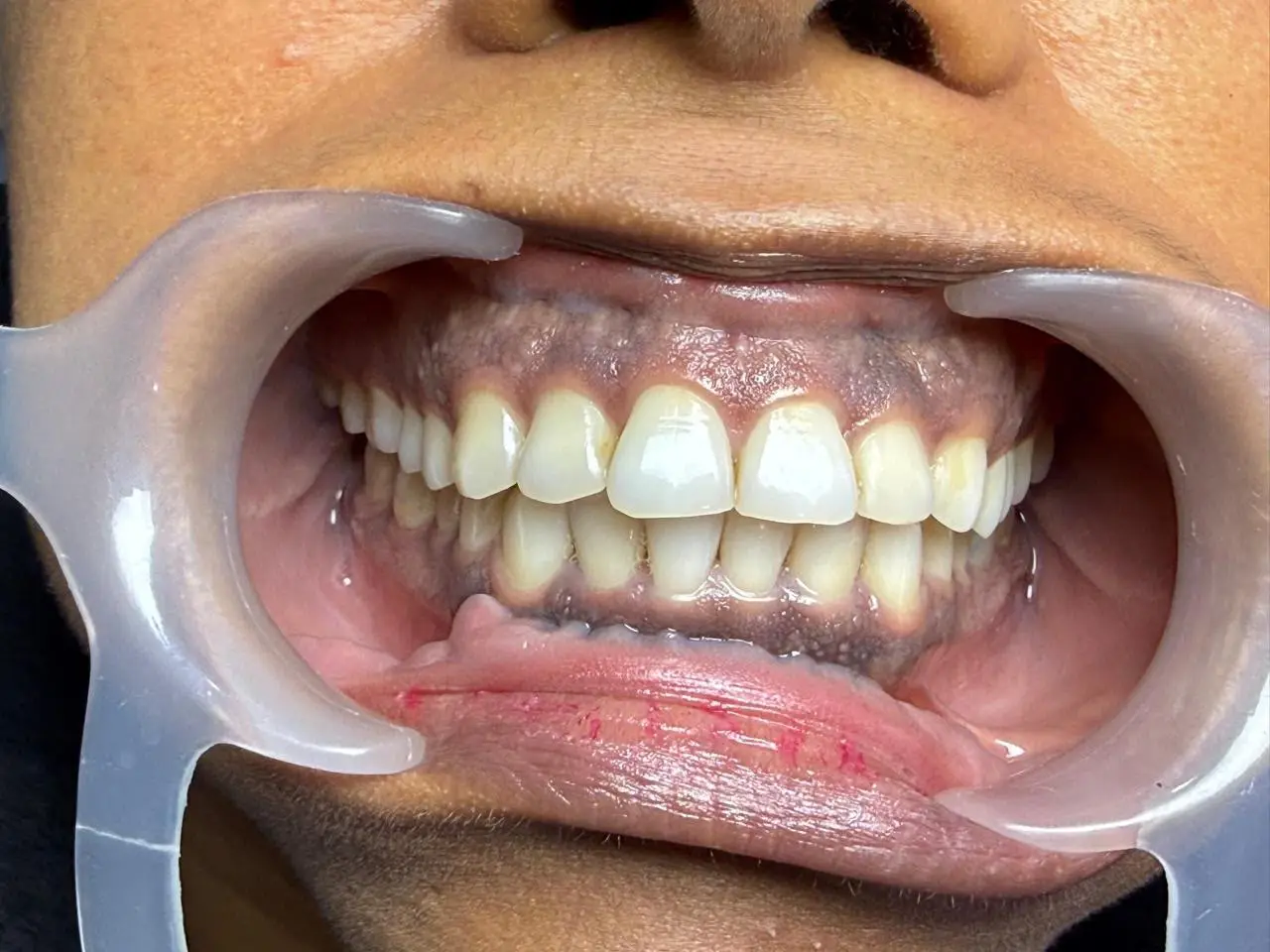
After treatment: frontal intraoral view with aligned teeth
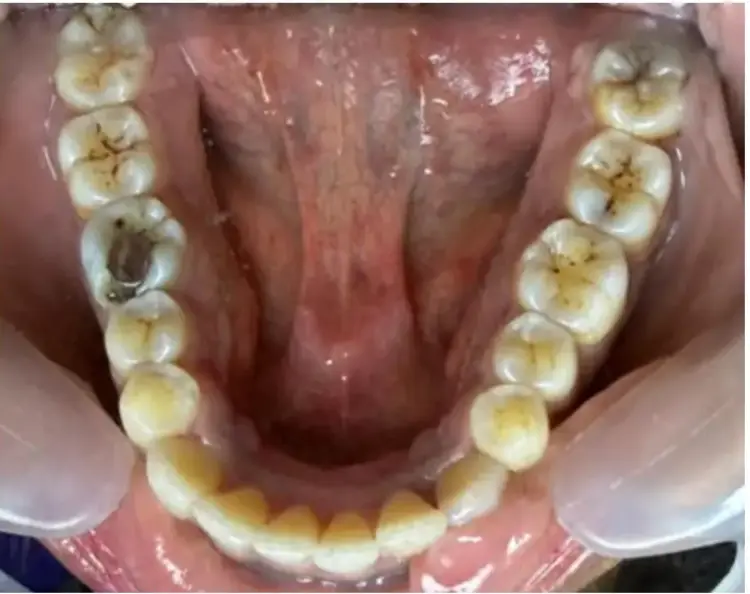
After treatment: occlusal view of the lower arch with crowding corrected
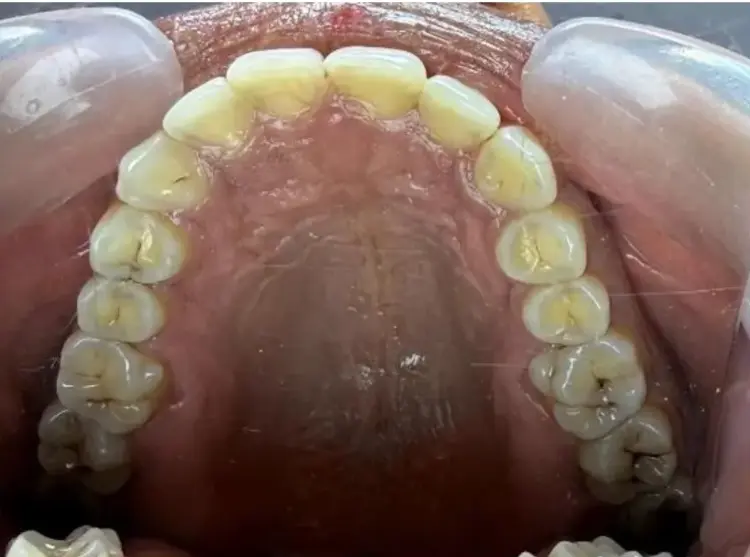
After treatment: occlusal view of the upper arch with even alignment Dr. Namratha Chandrahari's overall clinical assessment recorded a good prognosis, with improved alignment, good esthetics and a satisfactory treatment result.
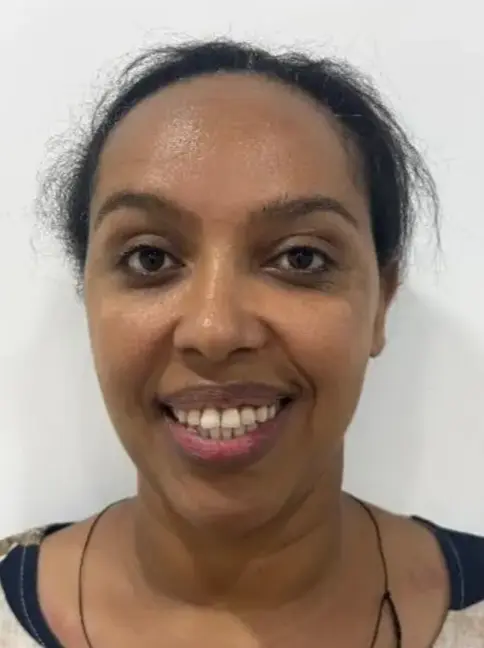
After treatment: frontal smile
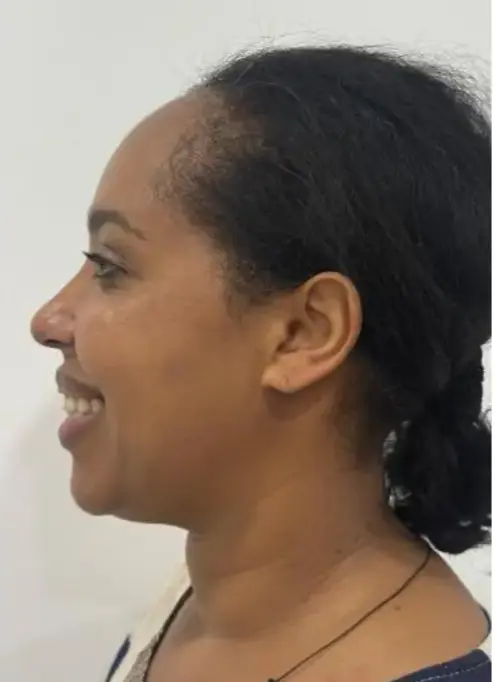
After treatment: profile view
Long-Term Expectations
With consistent retainer wear, good oral hygiene and regular check-ups, the aligned teeth are expected to stay stable. Retainers are an important part of long-term success, as teeth can drift back towards their old positions without them. Routine professional cleaning and review visits with Dr. Namratha Chandrahari will help keep the teeth, gums and bite healthy over the years.
Frequently Asked Questions
Can Invisalign correct crowded lower front teeth?
Yes. Invisalign clear aligners can gradually align crowded lower front teeth and improve the bite in suitable cases. Suitability is confirmed after a clinical examination and imaging.
Why is an OPG taken before Invisalign treatment?
An OPG shows all teeth, roots and jaws in a single image, which helps the dentist check tooth position, root health and bone before planning the aligner movements.
Is Invisalign suitable for international patients visiting Hyderabad?
Yes. Enamel Dental in Banjara Hills, Hyderabad, treats international patients. Dr. Namratha Chandrahari treated a patient from Ethiopia with Invisalign.
Do I need retainers after Invisalign?
Yes. Retainers are advised after alignment to help hold the teeth in their new positions and reduce the chance of relapse.